
-


 The Kara Choker with Wings
$289
Chantilly Lace Choker with All Over Lace Wings
The Kara Choker with Wings
$289
Chantilly Lace Choker with All Over Lace Wings
-


 The Kaia Veil
$259
Alencon Lace Mantilla Veil, Single Tier, Cathedral Length
The Kaia Veil
$259
Alencon Lace Mantilla Veil, Single Tier, Cathedral Length
-


 The Josephine Veil
$349
Alencon Lace Cascading Veil, Two Tier, Cathedral Length
The Josephine Veil
$349
Alencon Lace Cascading Veil, Two Tier, Cathedral Length
-


 The Belen Veil
$229
Chantilly Mantilla Lace Veil, Single Tier, Cathedral Length
The Belen Veil
$229
Chantilly Mantilla Lace Veil, Single Tier, Cathedral Length
-


 The Chiara Veil
$189
Partial Chantilly Lace Veil, Single Tier, Cathedral Length
The Chiara Veil
$189
Partial Chantilly Lace Veil, Single Tier, Cathedral Length
-


 The Aurelia Veil
$199
Partial Royal Lace Veil, Single Tier, Cathedral Length
The Aurelia Veil
$199
Partial Royal Lace Veil, Single Tier, Cathedral Length
-


 The Delphine Veil
$269
Double Satin Edge Cascading Veil, Two Tier, Cathedral Length
The Delphine Veil
$269
Double Satin Edge Cascading Veil, Two Tier, Cathedral Length
-


 The Jacqueline Veil
$289
Ruffle Edge Veil, Two Tier, Cathedral Length
The Jacqueline Veil
$289
Ruffle Edge Veil, Two Tier, Cathedral Length
-


 The Thea Veil
$149
Scalloped Pearl Beaded Edge Veil, Single Tier, Fingertip Length
The Thea Veil
$149
Scalloped Pearl Beaded Edge Veil, Single Tier, Fingertip Length
-


 The Bryony Veil
$239
Scalloped Floral Lace Edge Veil, Single Tier, Cathedral Length
The Bryony Veil
$239
Scalloped Floral Lace Edge Veil, Single Tier, Cathedral Length
-
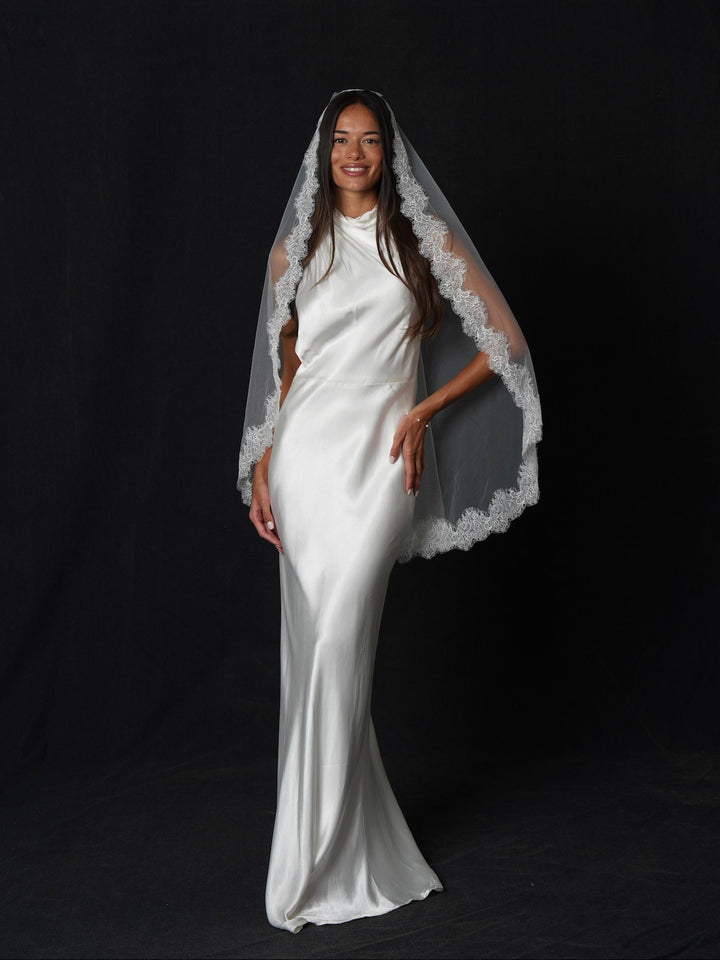

 The Gia Veil
$119
Mantilla Chantilly Short Lace Veil, Single Tier, Fingertip Length
The Gia Veil
$119
Mantilla Chantilly Short Lace Veil, Single Tier, Fingertip Length
-
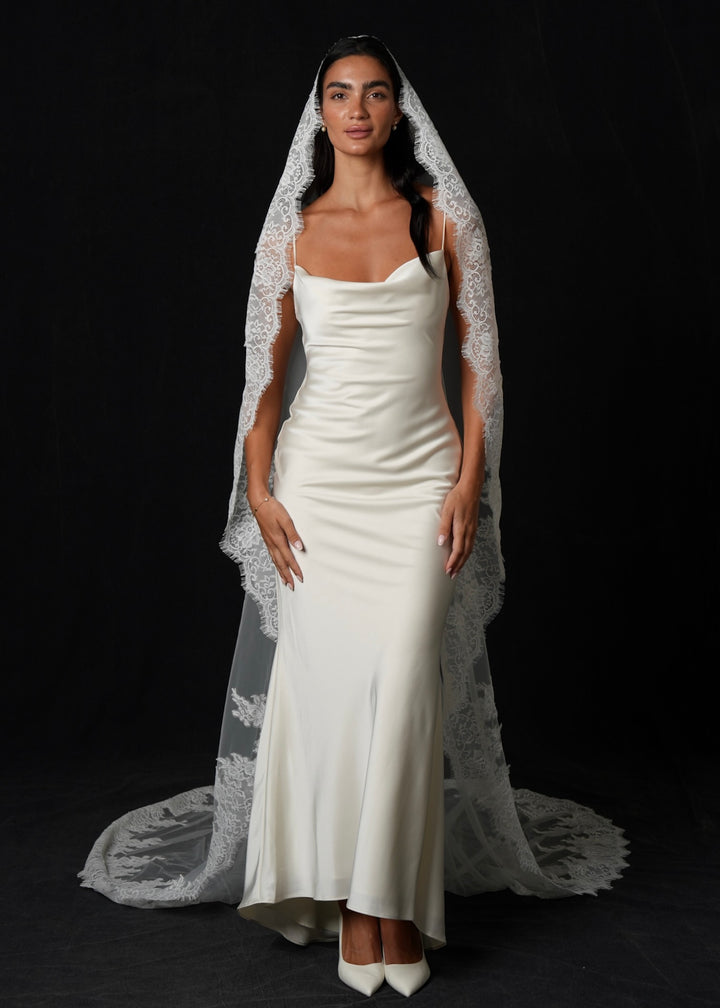

 The Cordelia Veil
$239
Royal Mantilla Lace Veil, Single Tier, Cathedral Length
The Cordelia Veil
$239
Royal Mantilla Lace Veil, Single Tier, Cathedral Length
-
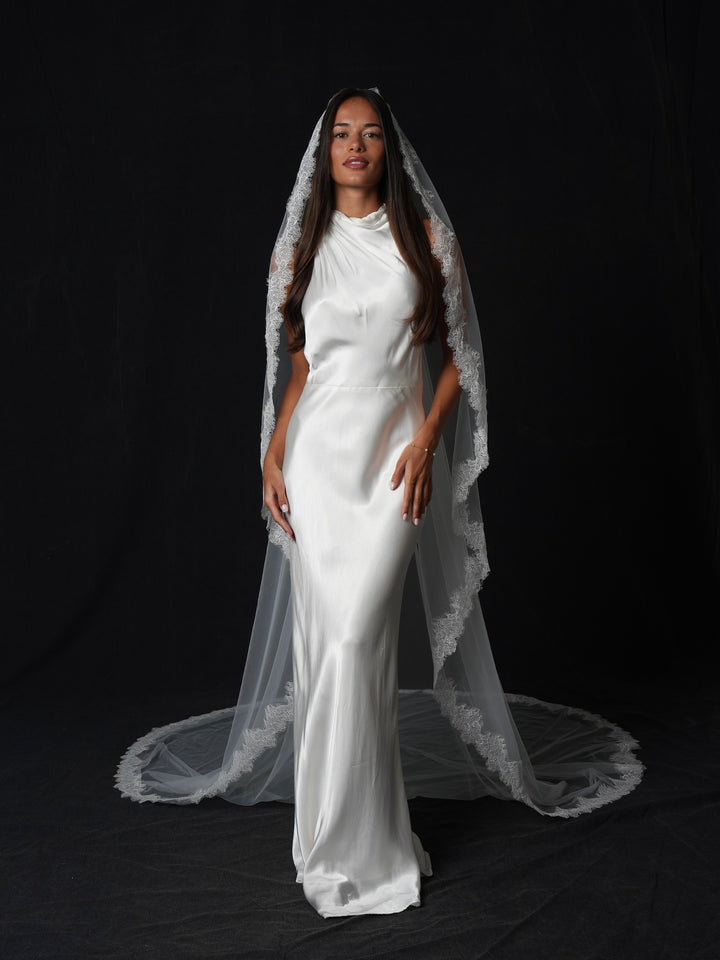
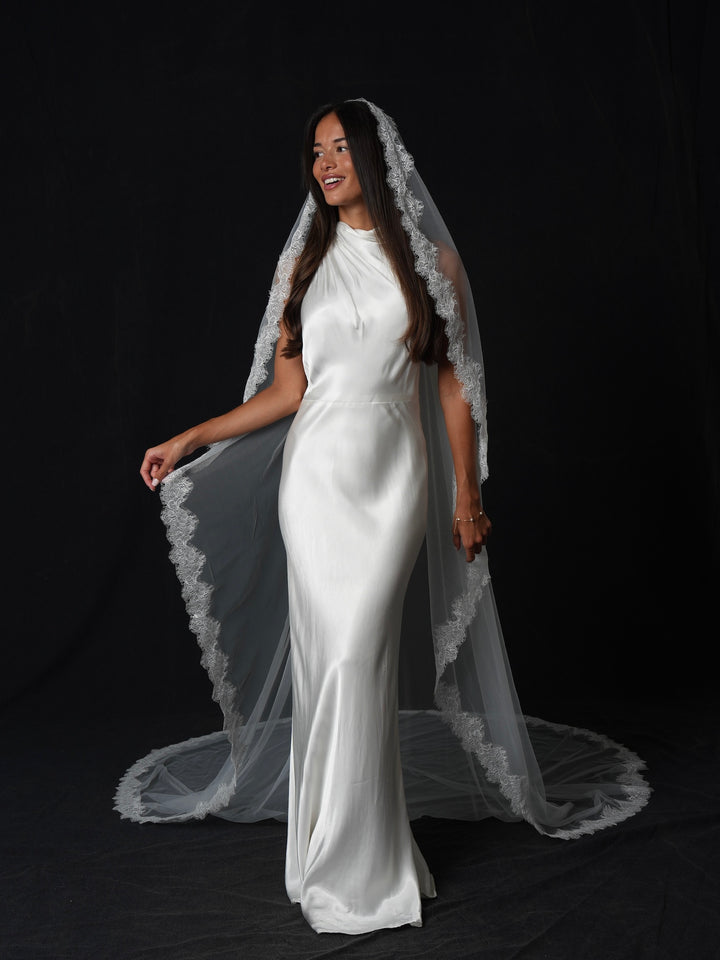
 The Adriana Veil
$229
Delicate Chantilly Mantilla Lace Veil, Single Tier, Cathedral Length
The Adriana Veil
$229
Delicate Chantilly Mantilla Lace Veil, Single Tier, Cathedral Length
-
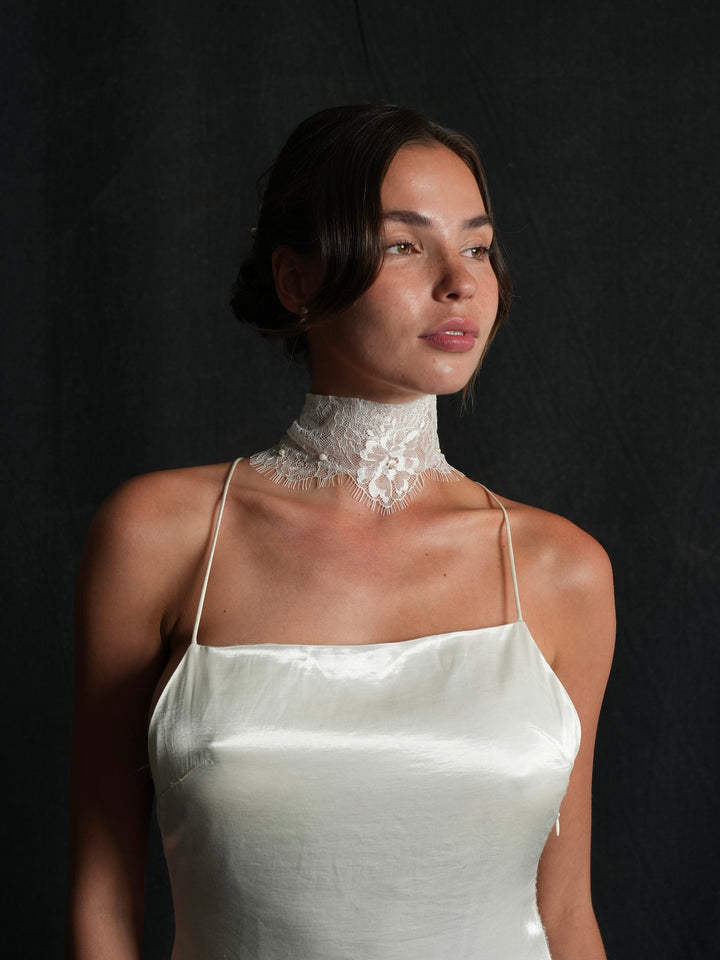

 The Rosalia Choker
$79
Chantilly Lace Choker
The Rosalia Choker
$79
Chantilly Lace Choker
-


 The Florence Choker with Wings
$149
Chantilly Lace Choker with Tulle Wings
The Florence Choker with Wings
$149
Chantilly Lace Choker with Tulle Wings
-


 The Arabella Veil
$269
Royal Lace Veil, Two Tier, Cathedral Length
The Arabella Veil
$269
Royal Lace Veil, Two Tier, Cathedral Length
-
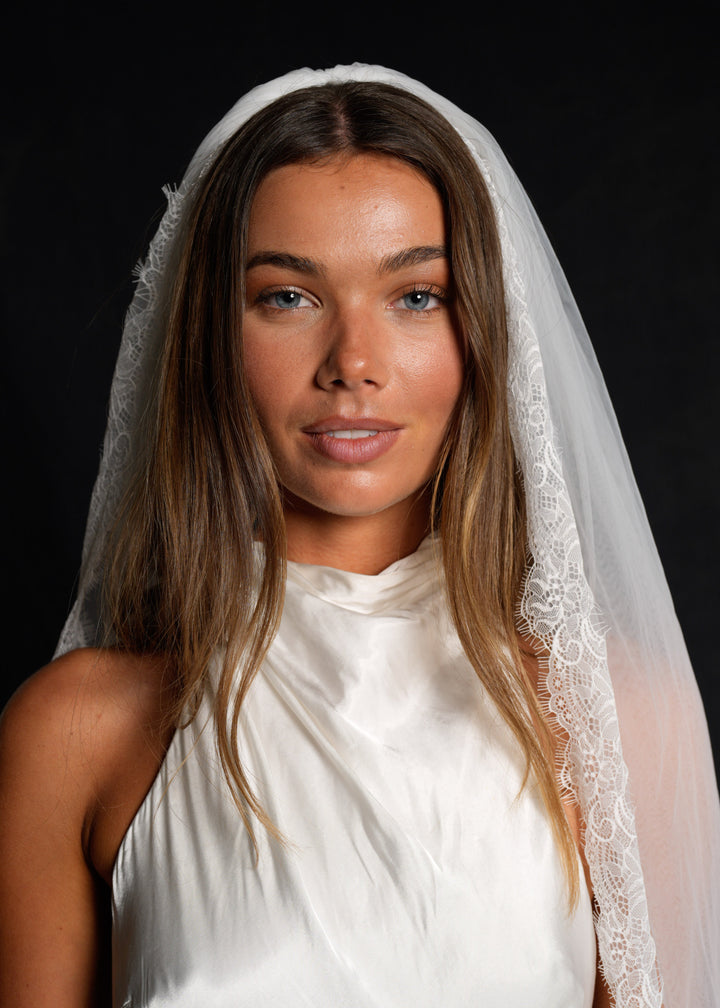
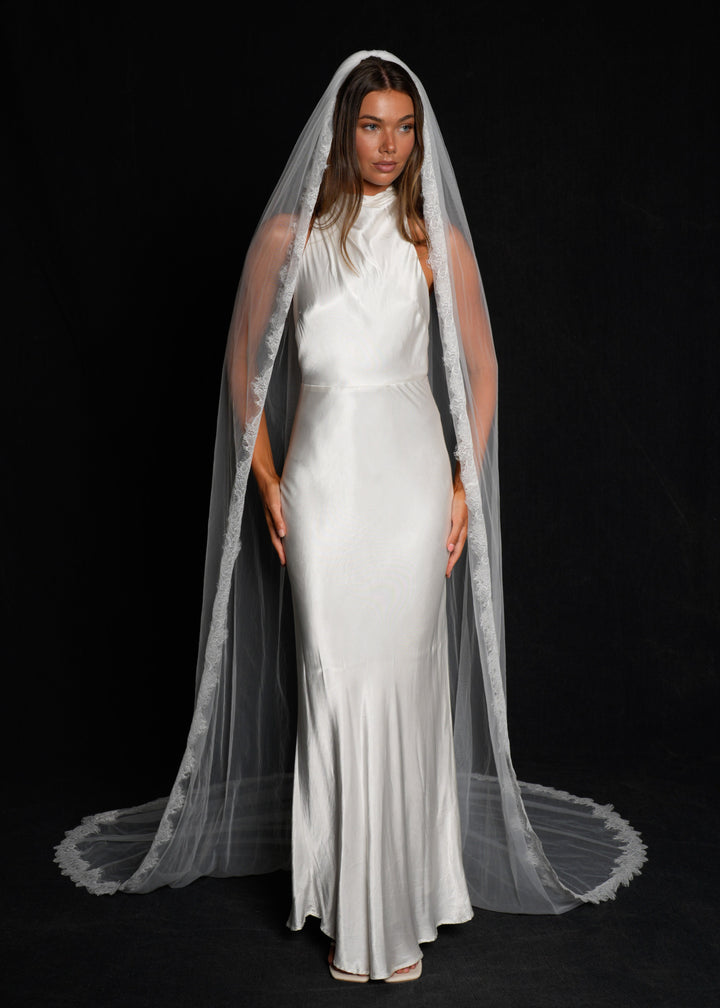
 The Ava Veil
$209
Chantilly Lace Veil, Single Tier, Cathedral Length
The Ava Veil
$209
Chantilly Lace Veil, Single Tier, Cathedral Length
-


 The Jesse Veil
$159
Chantilly Short Lace Veil, Two Tier, Fingertip Length
The Jesse Veil
$159
Chantilly Short Lace Veil, Two Tier, Fingertip Length
-


 The Camellia Veil
$219
Royal Lace Veil, Single Tier, Cathedral Length
The Camellia Veil
$219
Royal Lace Veil, Single Tier, Cathedral Length
-


 The Vivienne Veil
$245
Satin Edge Veil, Two Tier, Cathedral Length
The Vivienne Veil
$245
Satin Edge Veil, Two Tier, Cathedral Length
-
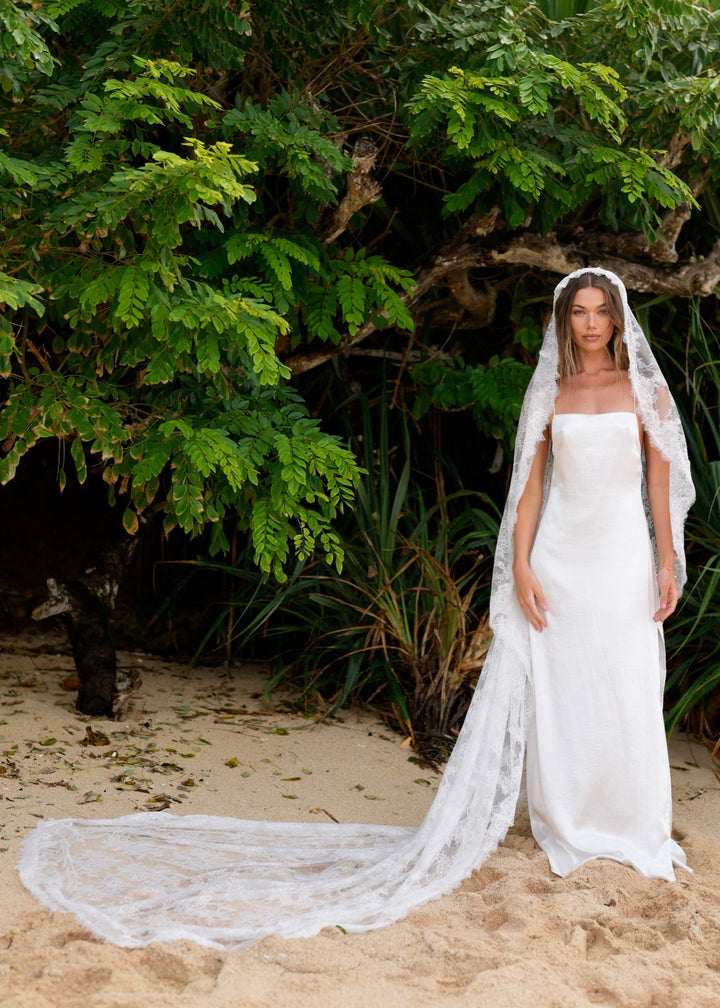

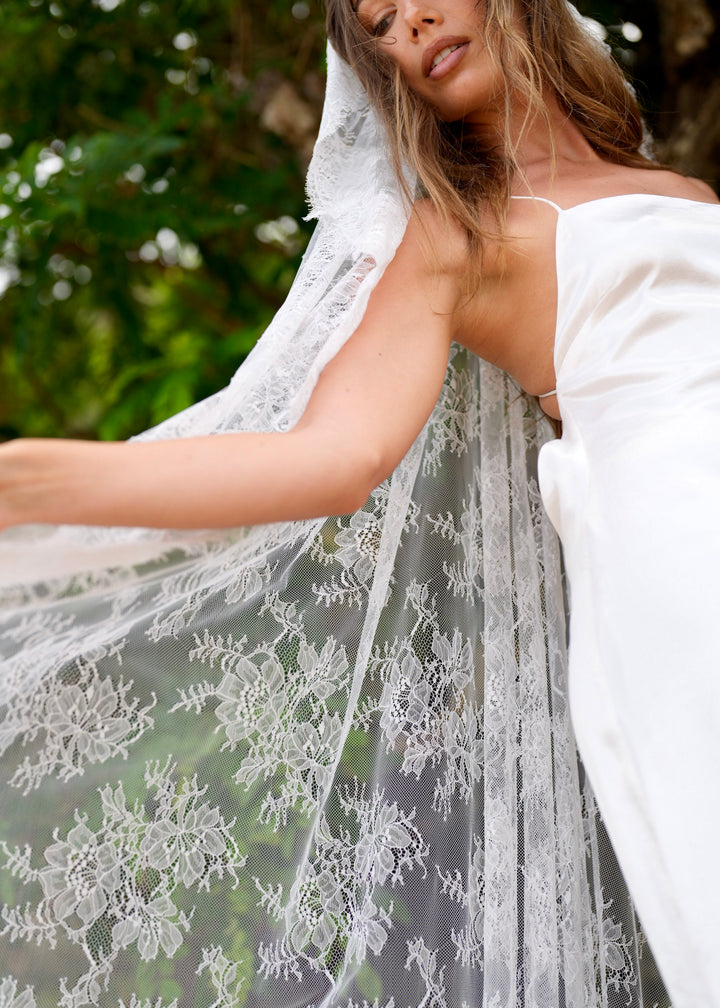 The Freya Veil
$289
Chantilly Mantilla All Over Lace Veil, Single Tier, Cathedral Length
The Freya Veil
$289
Chantilly Mantilla All Over Lace Veil, Single Tier, Cathedral Length
-
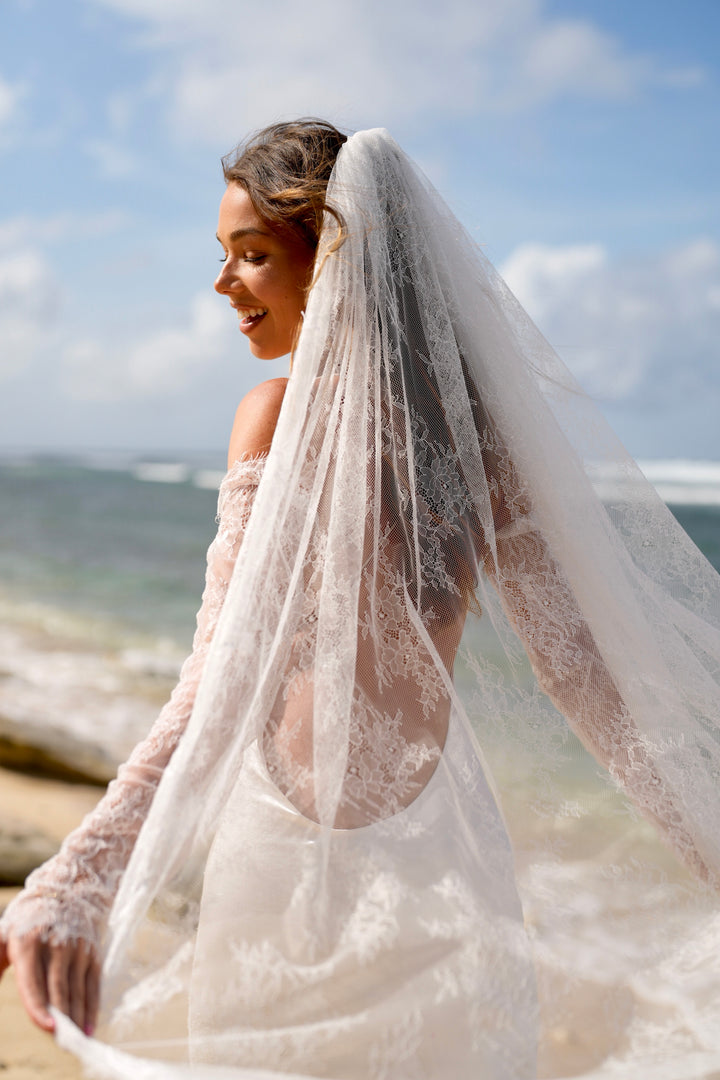

 The Sienna Veil
$279
Chantilly All Over Lace Veil, Single Tier, Cathedral Length
The Sienna Veil
$279
Chantilly All Over Lace Veil, Single Tier, Cathedral Length
-
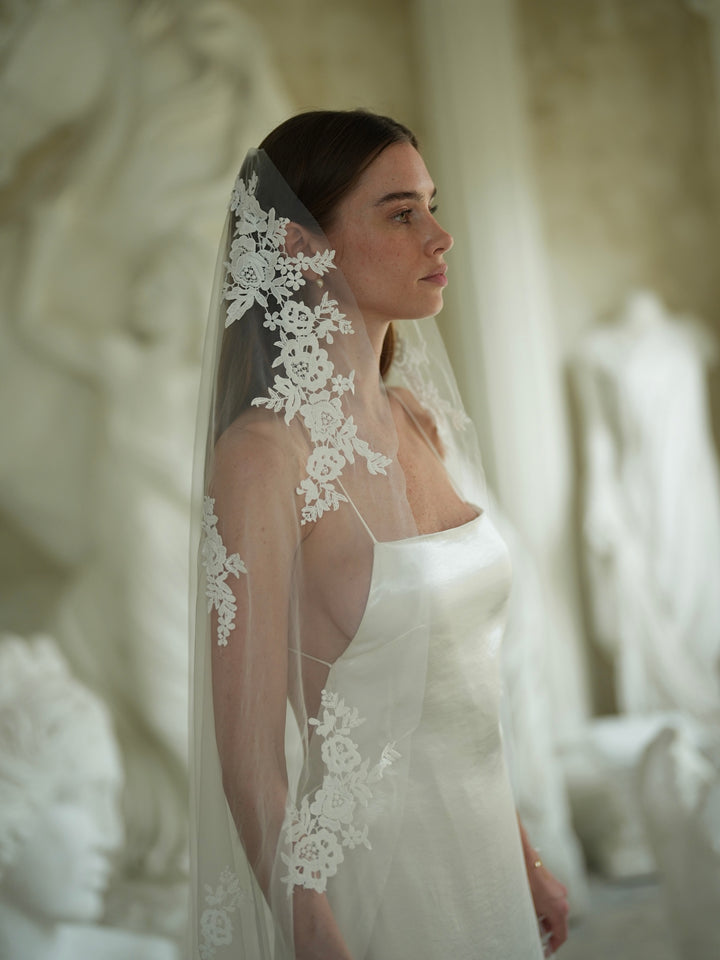
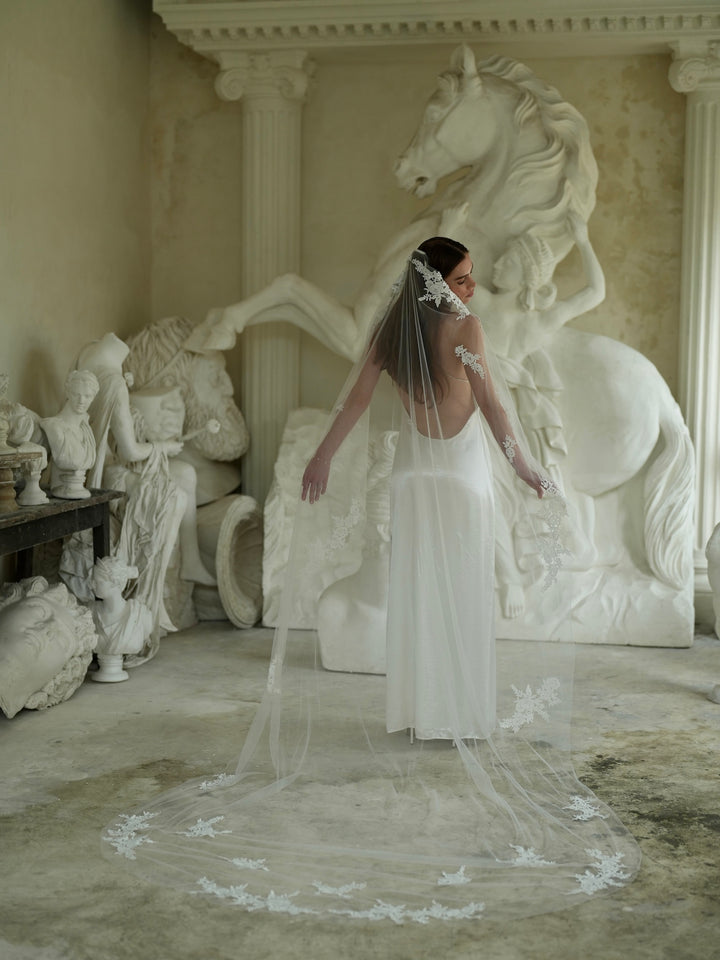
 The Flora Veil
$269
Floral Lace Veil, Single Tier, Cathedral Length
The Flora Veil
$269
Floral Lace Veil, Single Tier, Cathedral Length
-
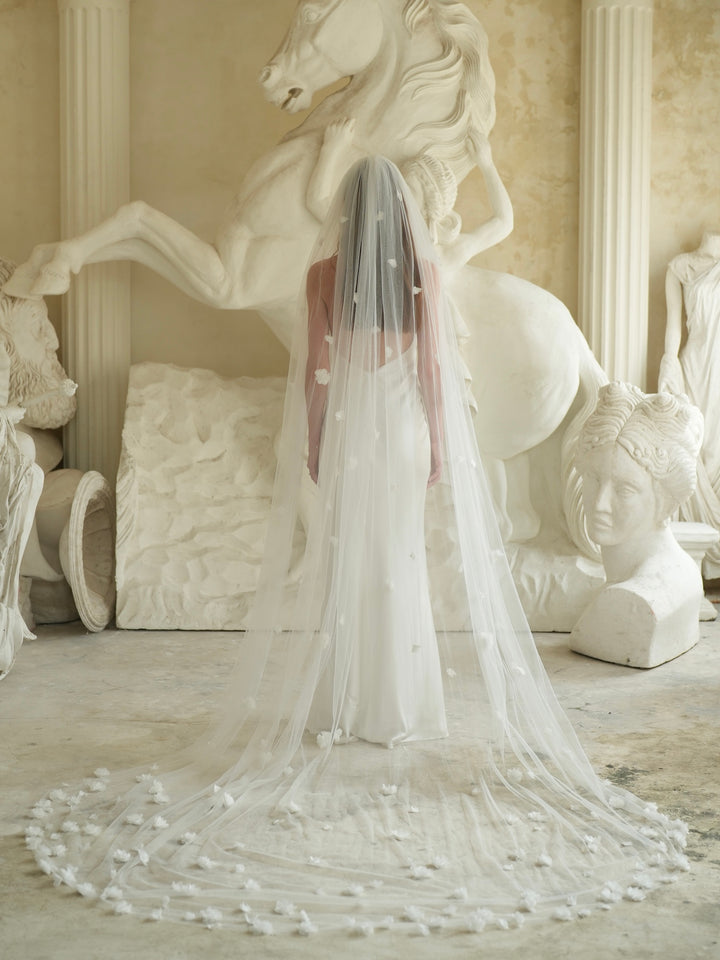

 The Eden Veil
$299
3D Flower Veil, Single Tier, Cathedral Length
The Eden Veil
$299
3D Flower Veil, Single Tier, Cathedral Length
-
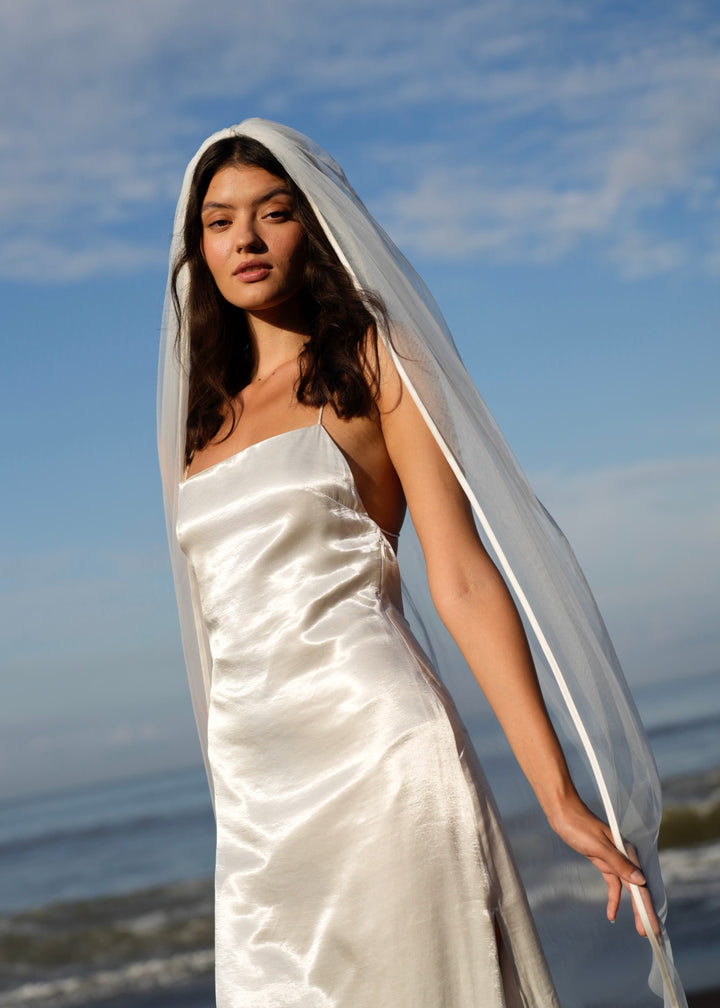

 The Athena Veil
$169
Satin Edge Veil, Single Tier, Cathedral Length
The Athena Veil
$169
Satin Edge Veil, Single Tier, Cathedral Length
-
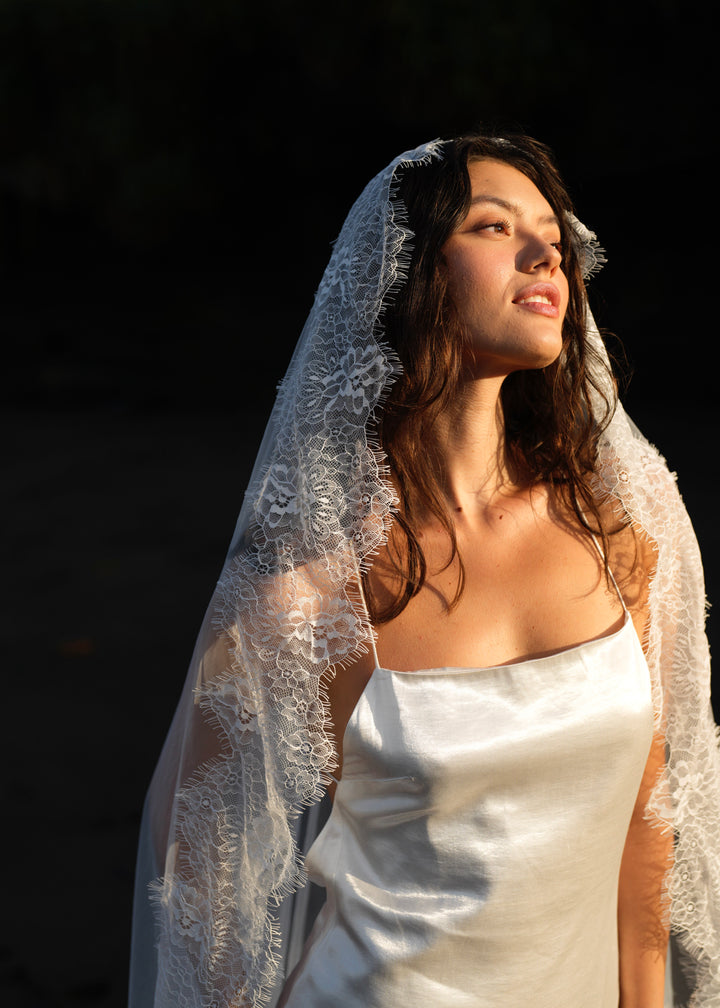

 The Rosalia Veil
$219
Mantilla Chantilly Lace Veil, Single Tier, Cathedral Length
The Rosalia Veil
$219
Mantilla Chantilly Lace Veil, Single Tier, Cathedral Length
-
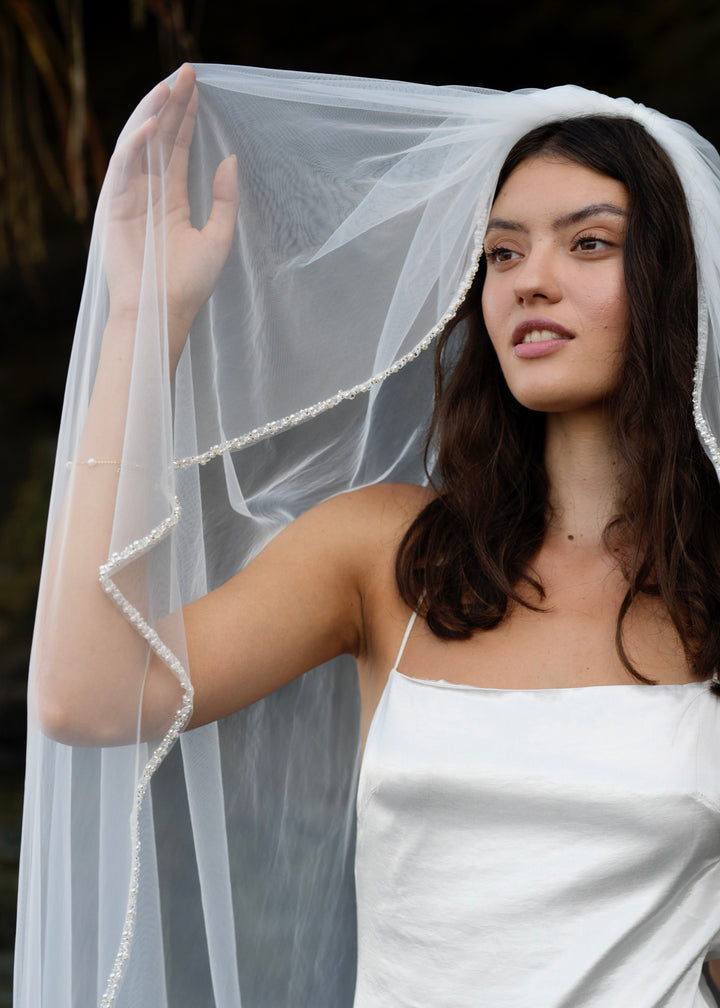

 The Lucine Veil
$249
Pearl Beaded Edge Veil, Single Tier, Cathedral Length
The Lucine Veil
$249
Pearl Beaded Edge Veil, Single Tier, Cathedral Length
-
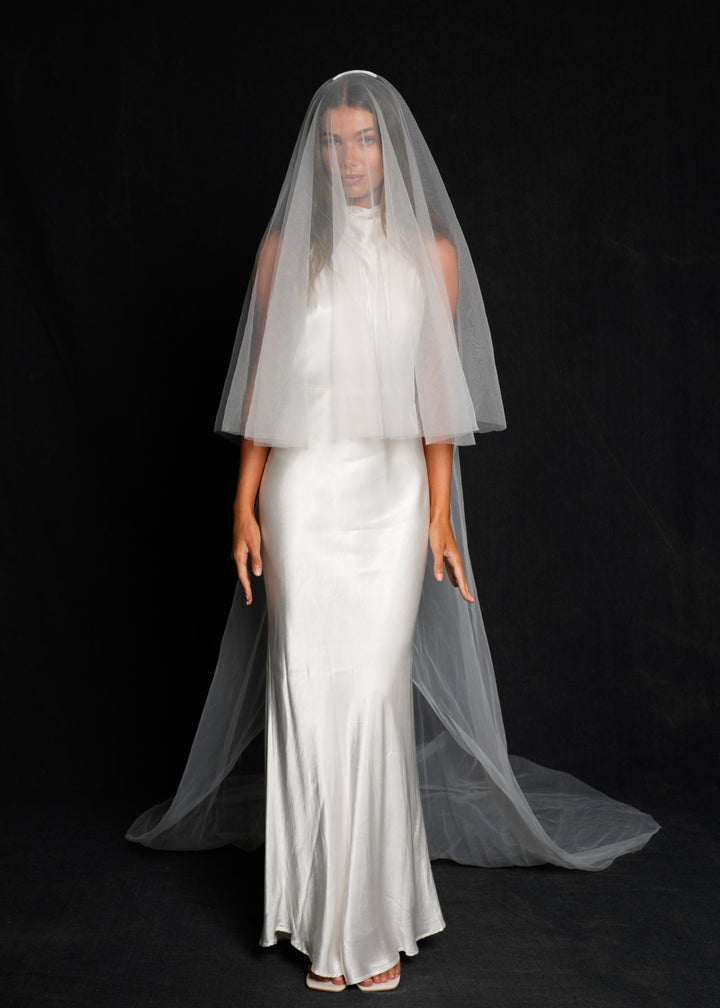

 The Tessa Veil
$135
Simple Plain Classic Veil, Cathedral Length, Two Tier
The Tessa Veil
$135
Simple Plain Classic Veil, Cathedral Length, Two Tier
-
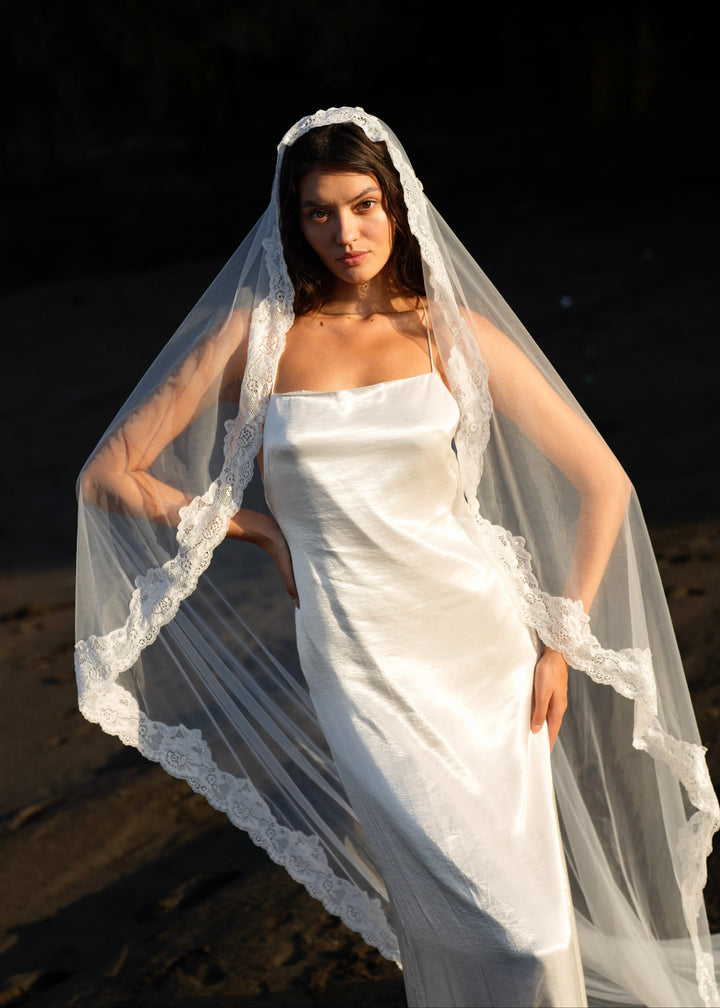

 The Talia Veil
$209
Mantilla Lace Veil, Single Tier, Cathedral Length
The Talia Veil
$209
Mantilla Lace Veil, Single Tier, Cathedral Length
-


 The Marina Veil
$169
Glitter Veil, Cathedral Length, Single Tier
The Marina Veil
$169
Glitter Veil, Cathedral Length, Single Tier
-
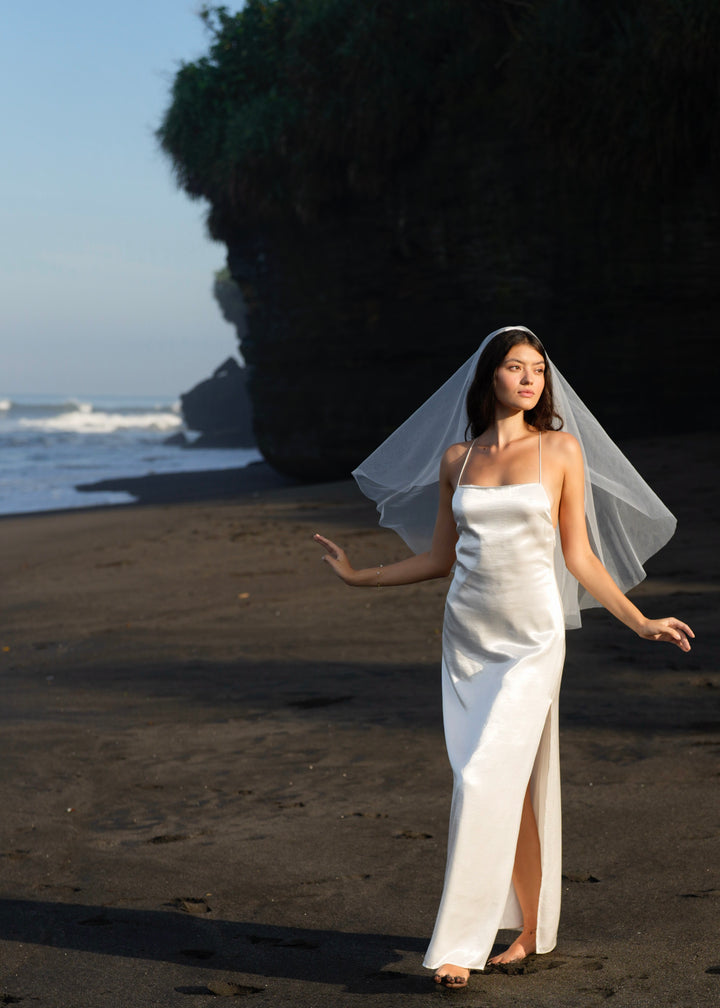

 The Audrey Veil
$125
Short Simple Plain Classic Veil, Fingertip Length, Two Tier
The Audrey Veil
$125
Short Simple Plain Classic Veil, Fingertip Length, Two Tier
-
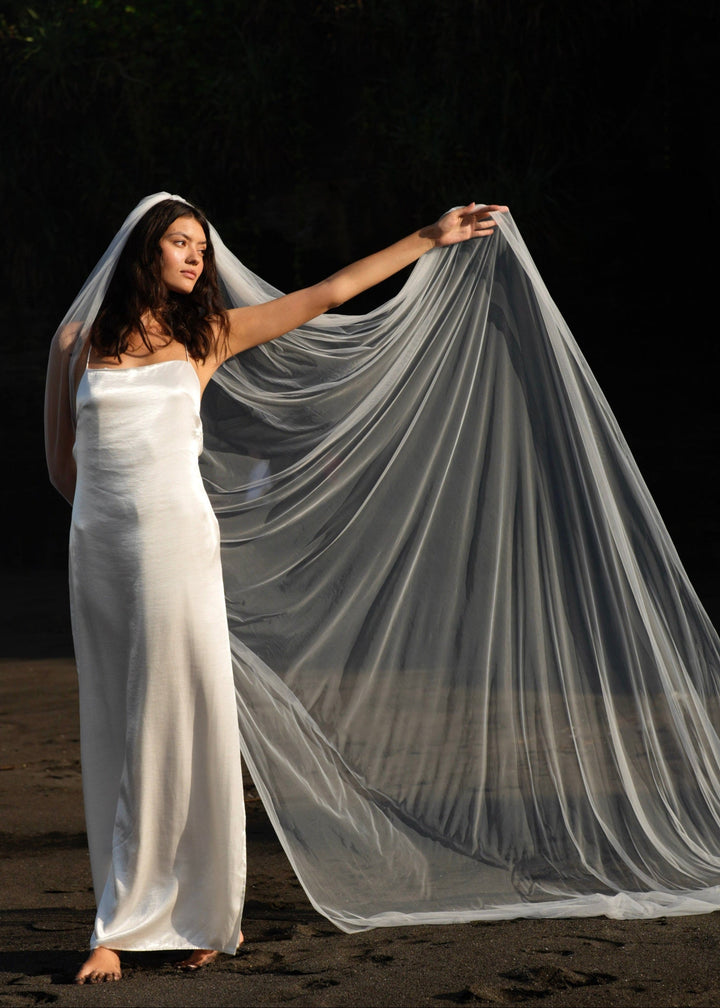

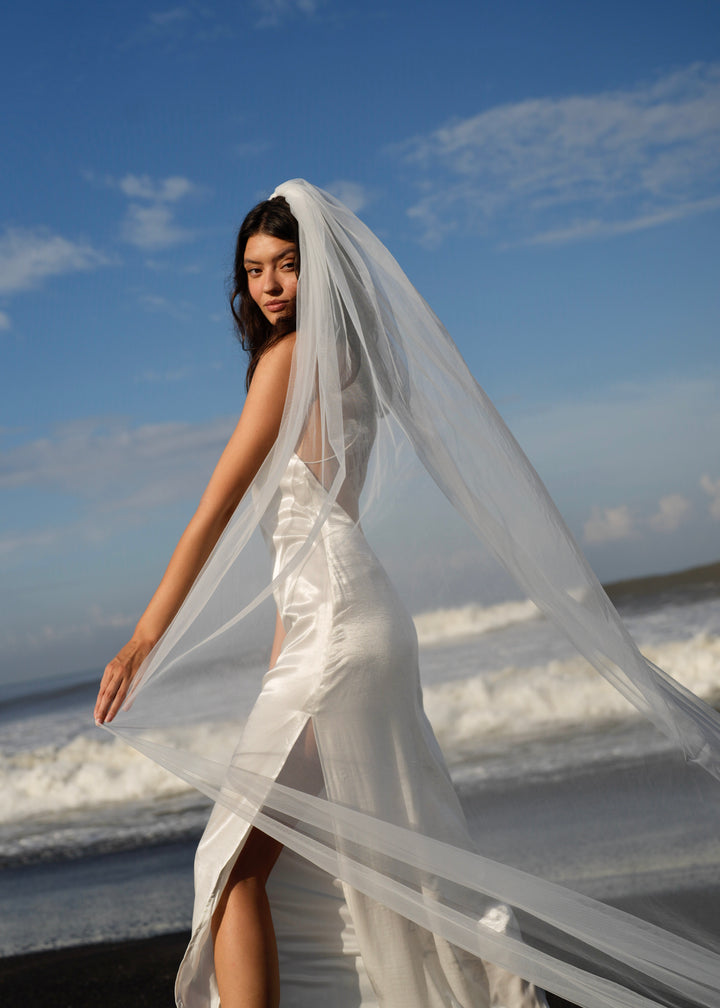 The Mia Veil
$119
Simple Plain Classic Veil, Cathedral Length, Single Tier
The Mia Veil
$119
Simple Plain Classic Veil, Cathedral Length, Single Tier
-
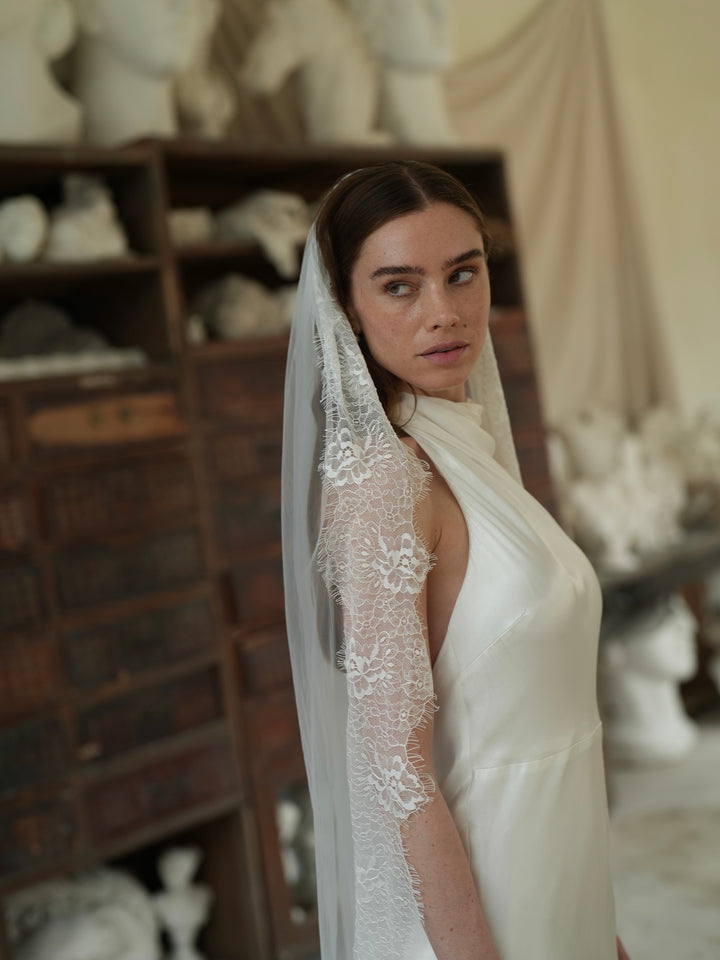

 The Daphne Veil
$189
Lace Veil, Single Tier, Cathedral Length
The Daphne Veil
$189
Lace Veil, Single Tier, Cathedral Length
-

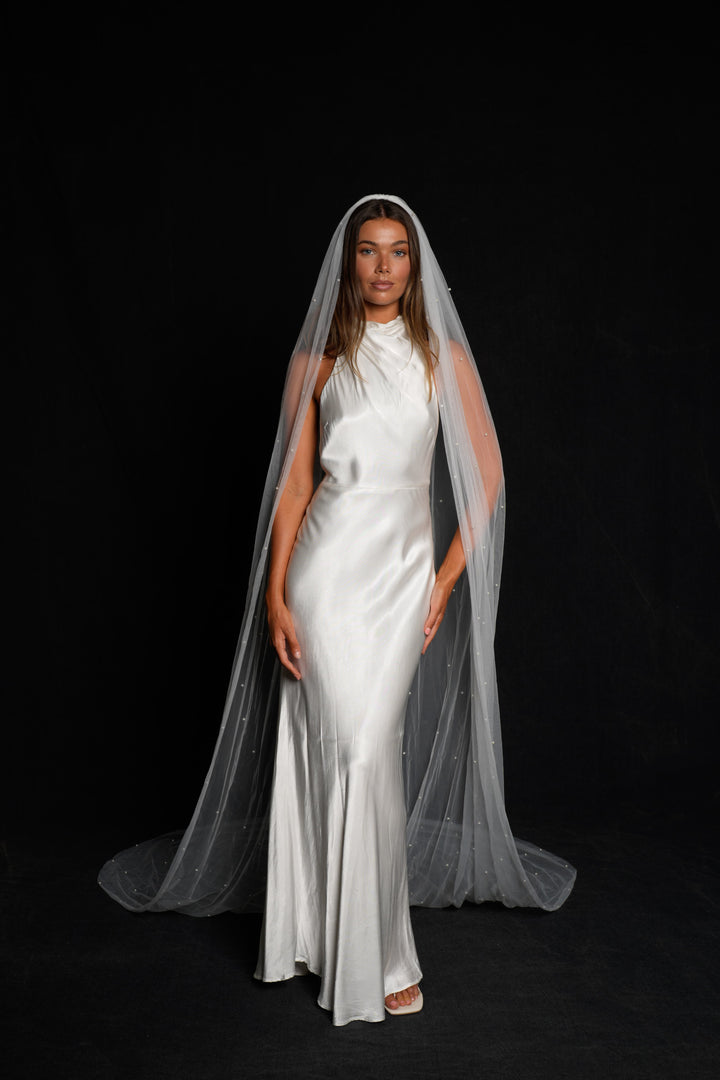
 The Sera Veil
$139
Pearl Veil, Single Tier, Cathedral Length
The Sera Veil
$139
Pearl Veil, Single Tier, Cathedral Length
-
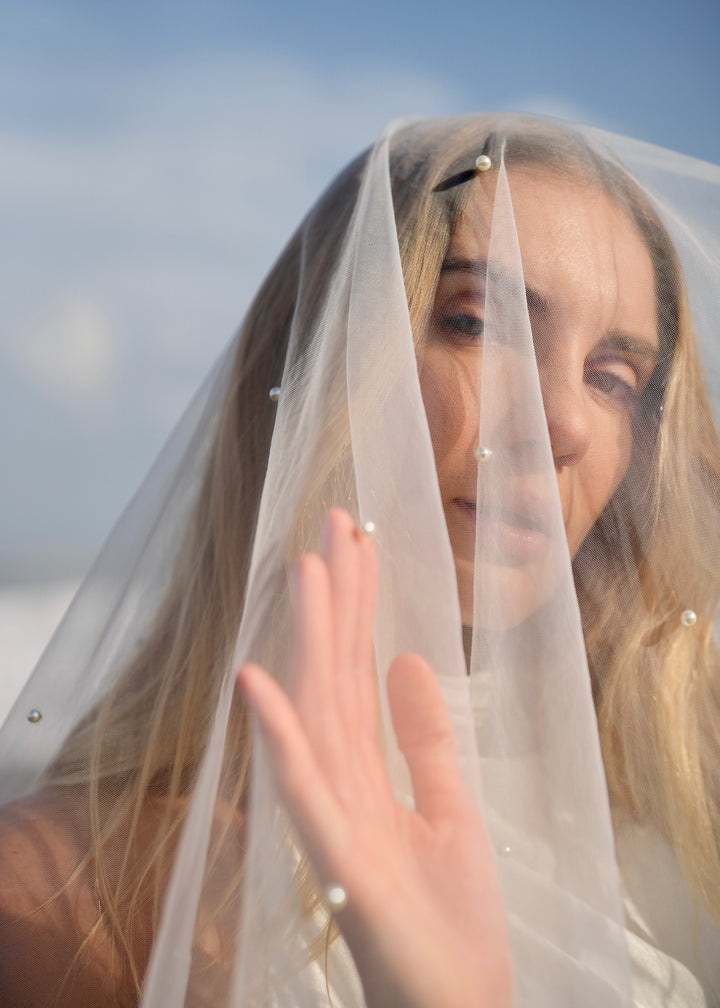

 The Celestine Veil
$169
Pearl Veil, Two Tier, Cathedral Length
The Celestine Veil
$169
Pearl Veil, Two Tier, Cathedral Length
-
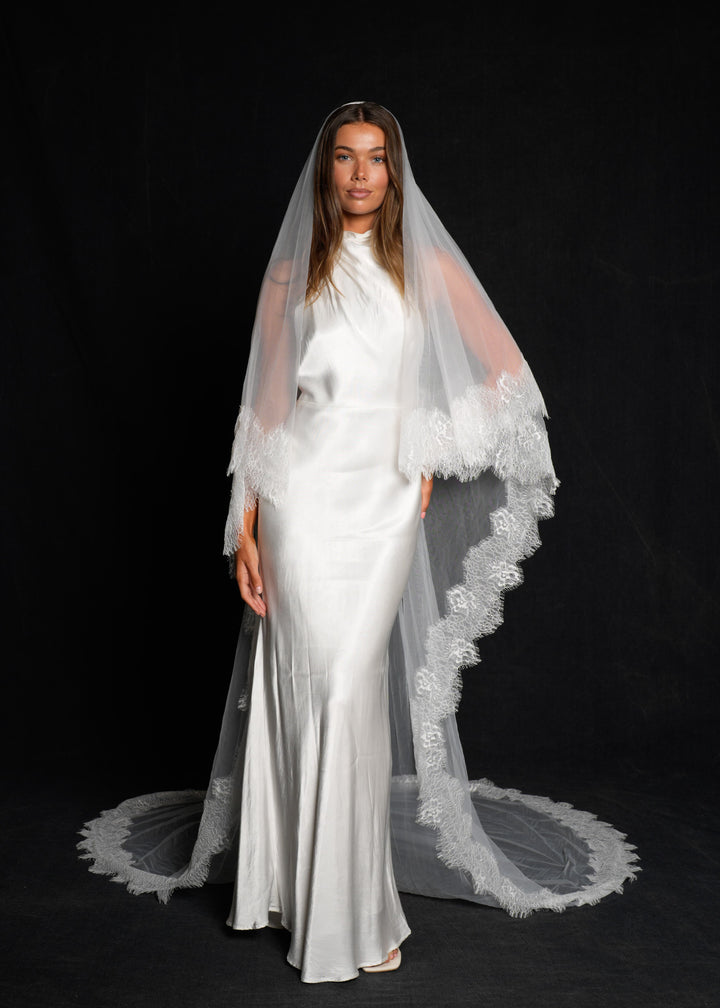

 The Juliette Veil
$229
Lace Veil, Two Tier, Cathedral Length
The Juliette Veil
$229
Lace Veil, Two Tier, Cathedral Length


Frequently Asked Questions
What is an outdoor wedding veil?
An outdoor wedding veil is a bridal veil designed for open-air ceremonies. It focuses on lightweight construction, secure placement, and movement in natural conditions.
What length veil works best for an outdoor wedding?
Fingertip and elbow lengths are practical for most outdoor settings. Chapel length works for larger venues with defined aisle space.
How do I keep my veil secure outdoors?
Insert the comb with the curve facing inward and secure with discreet pins. Choose a stable hairstyle such as a bun or half-up style for added grip.
Can I wear a cathedral veil outdoors?
Yes, but consider the terrain and wind. Longer veils may require assistance during walking and portraits.
Should an outdoor wedding veil have lace?
Yes, if the lace is light and refined. Avoid heavy trims that add weight or react strongly to wind.
